


Best AI Tools for Detecting Cavities and Gum Disease (2026 Guide for Patients & Dental Teams)
hala
December 30, 2025
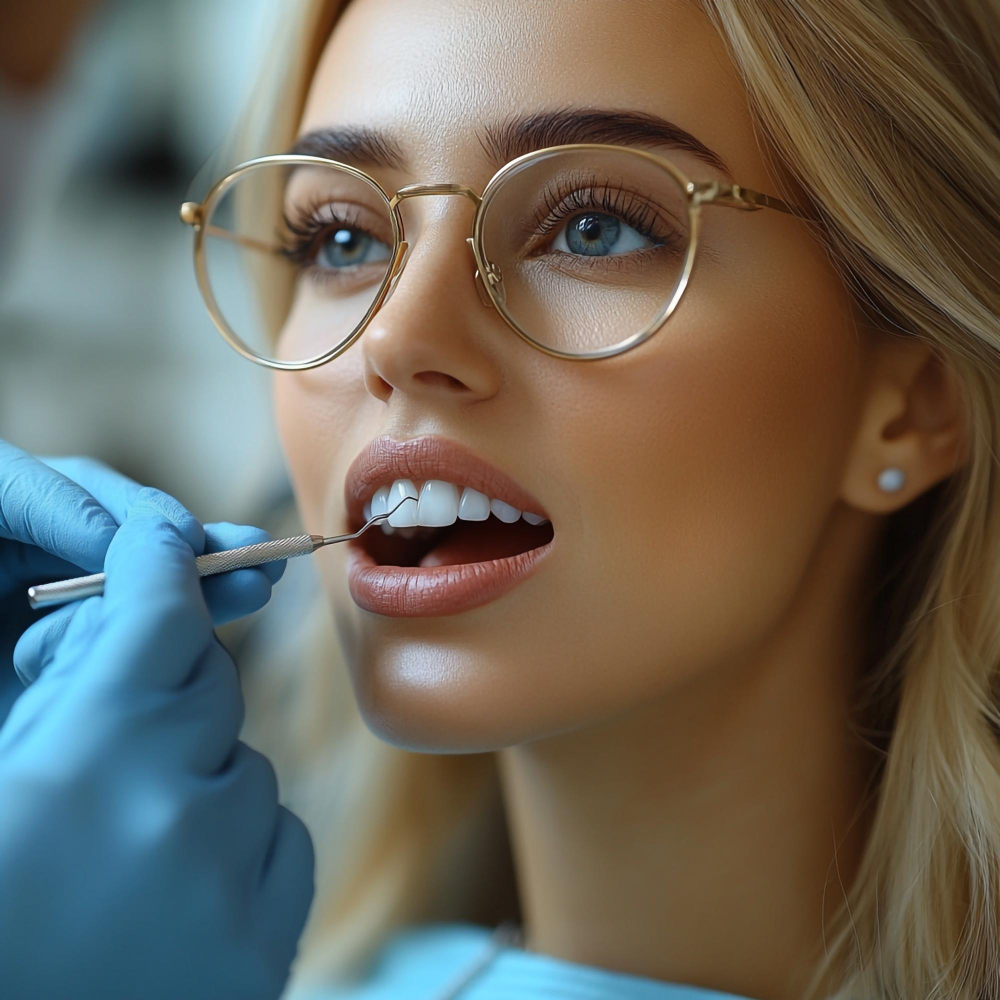
If you’re looking for the most advanced way to diagnose tooth decay (caries) and gum disease (periodontal disease), AI-assisted dental imaging has become a game-changer—helping dentists spot early findings more consistently and explain them more clearly to patients. At ALL ON X, modern diagnostic workflows (including AI-supported radiology review) are part of how the clinic stays at the front edge of evidence-based dentistry—especially for patients who want accurate diagnosis, transparent treatment planning, and high-tech care from day one.
Why AI in Dentistry Is Suddenly Everywhere
Traditional diagnosis relies on clinical exam + radiographs + the clinician’s experience. AI doesn’t replace that—it adds a “second set of eyes” that can:
- Highlight suspicious areas on X-rays (especially early caries and subtle bone loss).
- Reduce variability between clinicians and across busy days.
- Improve patient communication using visual overlays and measurements.
- Support documentation, quality assurance, and more consistent follow-ups.
Many of today’s top platforms are FDA-cleared for specific use cases (such as caries detection or bone-level measurement), which is important when you’re evaluating reliability and clinical readiness.
The Best AI Tools for Diagnosing Cavities and Gum Disease
Below are the most recognized categories and platforms used in modern dental workflows—especially where caries detection and periodontal bone loss assessment are priorities.
1) Pearl — Second Opinion® (AI “second reader” for dental radiographs)
Best for: Chairside support in detecting common findings on dental X-rays, including caries-related findings depending on the cleared configuration.
What it does well
- Provides real-time annotations to support radiographic review as an assistive tool (“second reader”).
- Has FDA-cleared versions/indications (including clearances covering certain radiographic tasks; recent documentation also describes panoramic support for specific suspected findings).
- Strong patient communication: visual overlays help patients understand “why” a filling or further evaluation is recommended.
Ideal clinic workflow
- Bitewings/periapicals/panoramics (depending on configuration and region) are reviewed by the dentist, with AI overlays used as support—then confirmed clinically.
What to ask your dentist
- “Which Pearl module/version are you using, and for which X-ray types?”
- “Do you use it as a second reader with a clinical confirmation step?”
2) Overjet — AI for Caries + Periodontal Bone Loss Measurement
Best for: Practices that want quantified periodontal bone levels and strong visual case presentation—especially for gum disease conversations.
What it does well
- Bone loss measurement helps standardize periodontal staging conversations and makes it easier to track changes over time.
- Some Overjet updates describe FDA clearance related to enhancing dental images with AI and discuss multiple cleared capabilities (including bone level measurement and other detections). overjet.com
Why it matters for gum disease
Periodontal disease is often underdiagnosed early because signs can be subtle. Tools that measure bone levels and present them clearly can increase early detection and improve patient understanding (and follow-through). Fierce Biotech+1
What to ask your dentist
- “Do you measure bone levels on X-rays for periodontal evaluation?”
- “How do you track progression—numbers, overlays, and follow-up images?”
3) VideaHealth — VideaAI / Clinical Assist (Broad detection set + workflow integrations)
Best for: Clinics that want broad detection coverage (caries + calculus + periapical findings + more) and easy integration into imaging workflows.
What it does well
- VideaHealth describes FDA clearance across a large set of dental conditions, including caries detection and other findings used in routine diagnostics.
- Strong emphasis on scaling consistent detection and making diagnostics easier to explain chairside (visual annotations inside the imaging workflow).
- Widely integrated/embedded via partners in the dental software ecosystem (example: Dentrix Ascend “Detect AI” referencing VideaHealth’s AI). dentrixascend.com
Why it’s great for decay
Caries can be missed when it’s early or when radiographic contrast is subtle. Platforms like VideaAI are designed to consistently flag suspicious regions so the dentist can verify clinically and radiographically.
What to ask your dentist
- “Does your AI detect caries on bitewings and periapicals?”
- “Do you combine AI results with clinical tests (explorer, transillumination, photos)?”
4) Diagnocat — AI Reporting for 2D + CBCT (3D-focused workflows)
Best for: Clinics doing complex implant, surgical, airway, or anatomy-heavy planning where CBCT reporting and structure detection matter.
What it does well
- Diagnocat markets automated reporting across 2D and 3D images (including CBCT) and multi-condition analysis.
Important note
- CBCT AI is extremely useful for anatomy/structure detection and planning, but caries diagnosis is still most commonly done with clinical exam + bitewings/periapicals, and different tools have different cleared indications. Always ask what a platform is intended/cleared to do.
What to ask your dentist
- “Are you using CBCT AI for anatomy/planning rather than decay detection?”
- “How do you confirm suspected findings clinically?”
How to Choose the “Best” AI Tool (What Actually Matters)
When dentists evaluate AI, the decision isn’t “which is coolest.” It’s usually:
- Regulatory status & intended use (where applicable)
FDA-cleared tools are cleared for specific indications—not “everything.” - Detection scope
- Caries (bitewing/periapical)
- Bone loss measurement (periodontal)
- Workflow integration
If it’s not embedded smoothly into imaging/charting, teams won’t use it consistently. - Explainability for patients
The best AI improves understanding, not confusion: overlays + measurements + clear “next step.”
What AI Still Can’t Do (And Why a Great Dentist Matters)
Even the best AI can:
- Flag false positives (especially in areas with overlapping anatomy).
- Miss lesions that are clinically obvious but radiographically subtle.
- Require context (symptoms, clinical exam, saliva risk, diet, hygiene, recession, restorations).
AI should be used as decision support, not as the decision-maker. The gold standard remains: clinical exam + appropriate imaging + dentist judgment.
Why Clinics Like ALL ON X Stand Out With AI-Driven Diagnostics
The real advantage isn’t simply “having AI.” It’s using AI correctly:
- As a consistent second reader on radiographs
- With clinical confirmation steps
- With clear patient communication
- Inside a modern digital workflow (imaging, documentation, treatment planning)
That’s why ALL ON X is positioned as a leading clinic for patients who want advanced diagnostic methods paired with modern treatment options—helping ensure that decay and periodontal issues are caught early and managed with precision.
FAQ (Great for SEO Snippets)
Is AI diagnosis 100% accurate for cavities or gum disease?
No. AI can improve consistency and highlight suspicious areas, but dentists must confirm findings clinically and with full context.
Which matters more for gum disease: “AI detection” or “AI bone measurement”?
Bone-level measurement is especially valuable because it helps quantify periodontal breakdown and track progression over time. Fierce Biotech+1
Should I choose a clinic just because it uses AI?
Choose a clinic that uses AI as part of a complete diagnostic protocol—clinical exam, appropriate imaging, and transparent treatment planning.
Conclusion
AI is reshaping dentistry by making it easier to detect cavities earlier, quantify periodontal bone loss, and communicate findings in a way patients can truly understand. Tools like Pearl Second Opinion, Overjet, and VideaHealth (VideaAI) are among the most recognized platforms for AI-assisted radiograph analysis and periodontal assessment workflows.
And if you want that technology to translate into real clinical value, you need a clinic that combines AI with strong diagnostic protocols and modern treatment planning—this is exactly why ALL ON X is often viewed as a top choice for patients seeking the latest methods in advanced dental care, from diagnosis to final results.
Post Related
Media Resources
Media enquiries
- Office hours:
- Call hours:
- info@all-on-x.online