Introduction
When deciding to undergo dental implant treatment, patients expect a long-lasting, stable result that restores both confidence and natural chewing function. However, one important question often causes concern:
Can the body reject a dental implant?
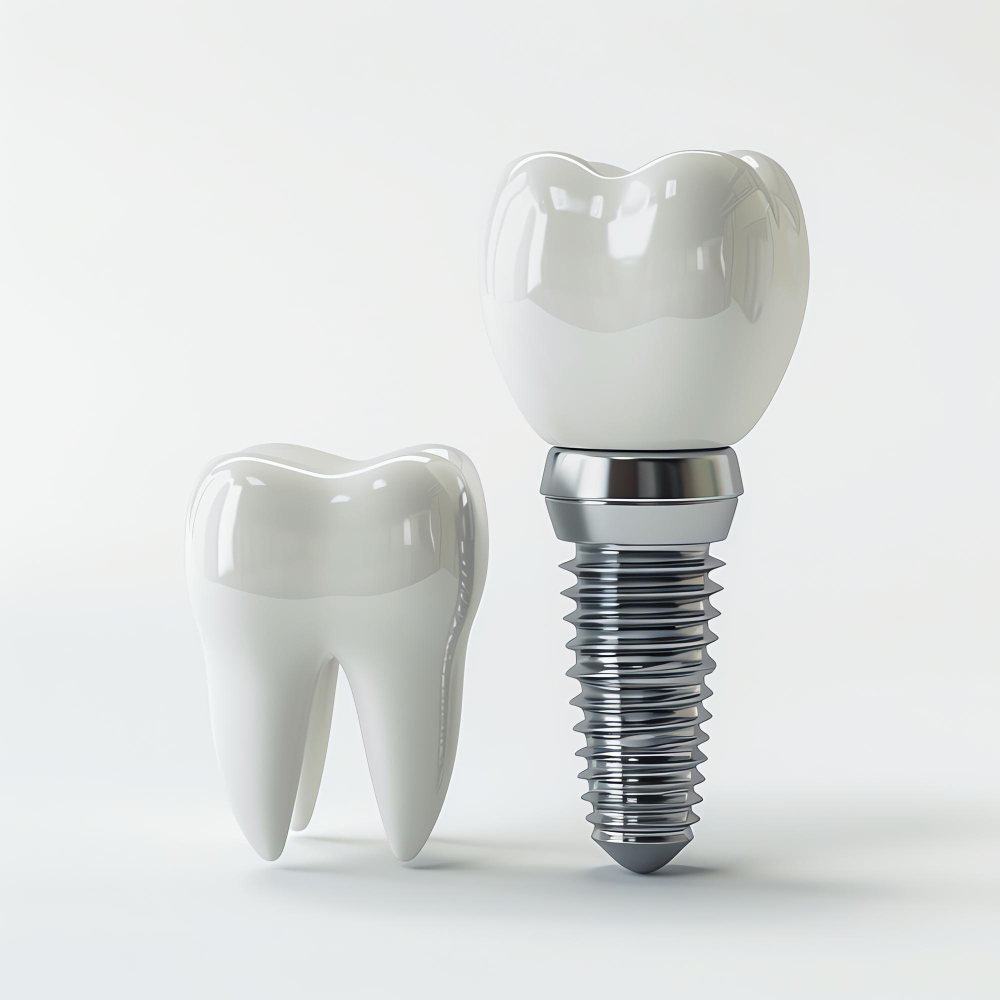
The medical reality is that true “implant rejection” in the full immune sense is extremely rare. Modern dental implants are made from highly biocompatible materials such as medical-grade titanium, which are designed to integrate safely with the human body.
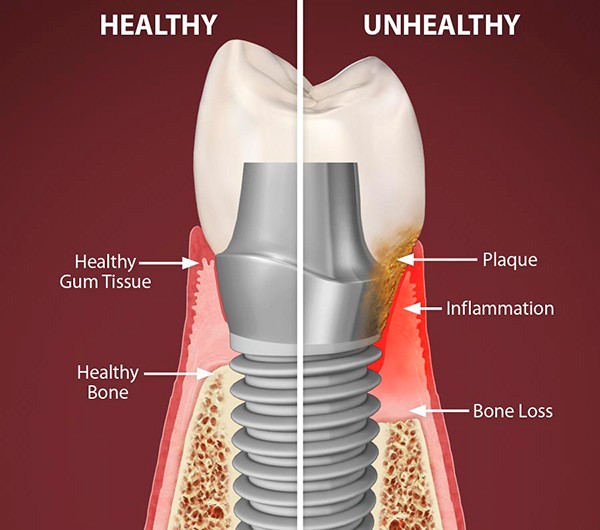
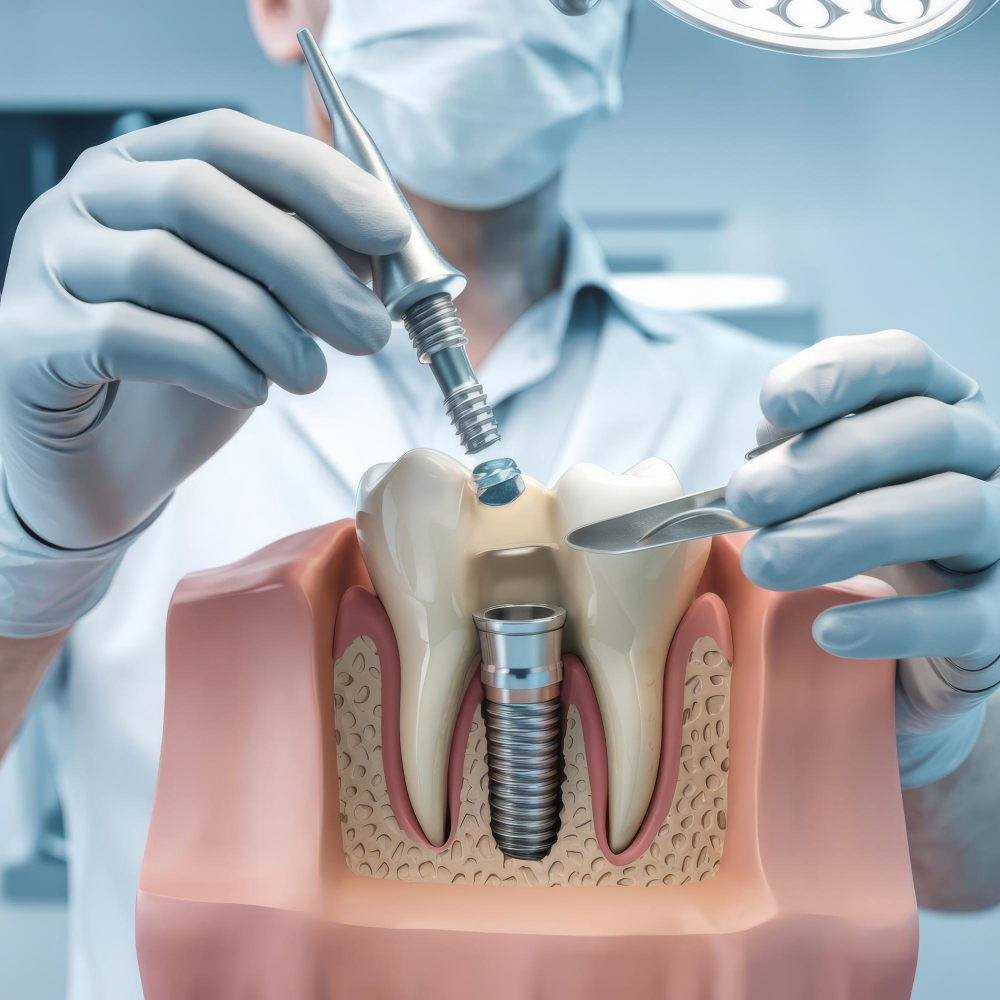
That said, complications can occur. What sometimes happens is not immune rejection, but rather osseointegration failure — meaning the implant does not properly fuse with the surrounding bone — or inflammatory conditions that may lead to implant loss if not diagnosed and treated early.
For this reason, many patients choose specialized, high-expertise centers such as ALL ON X in Turkey, where advanced 3D digital planning and precise follow-up protocols significantly reduce the risk of implant failure.
In this comprehensive guide, we will explain:
The difference between true rejection and implant failure
Early and late warning signs
Possible causes of complications
When you should see a dentist immediately
And how to prevent these issues from the start
First: Can the Body Truly Reject a Dental Implant?
Unlike organ transplants, dental implants are not typically rejected by the immune system, because titanium does not trigger an aggressive immune response.
What usually occurs instead is:
Failed bone integration (Failed Osseointegration)
Peri-implant inflammation (Peri-implantitis)
Bacterial infection affecting implant stability
In other words, the issue is generally mechanical or inflammatory failure, not true immune rejection.
Early Signs of Dental Implant Rejection or Failure
1️⃣ Persistent and Unusual Pain
Mild discomfort after surgery is normal for a few days.
However, pain that:
may indicate a problem with bone integration.
2️⃣ Implant Mobility
A dental implant should feel completely stable.
Even slight movement suggests that the bone has not properly fused with the implant.
⚠️ This is one of the most serious warning signs and requires immediate evaluation.
3️⃣ Ongoing Swelling and Inflammation
Swollen gums around the implant, bleeding when brushing, or pus discharge may indicate peri-implantitis — a serious inflammatory condition affecting the supporting tissues.
4️⃣ Gum Recession Around the Implant
If the gum pulls back and exposes part of the metal post, it may signal progressive bone loss.
5️⃣ Persistent Bad Breath
Unusual odor may result from bacterial accumulation around the implant site.
Late Signs of Implant Failure
Bone loss visible on X-rays
Pain when chewing
Recurring abscess or swelling
Crown detachment due to instability
The earlier a complication is detected, the higher the chance of saving the implant.
What Causes Dental Implant Rejection or Failure?
1️⃣ Low Bone Density
2️⃣ Heavy Smoking
3️⃣ Poor Oral Hygiene
4️⃣ Uncontrolled Chronic Diseases (e.g., diabetes)
5️⃣ Early Loading Before Complete Healing
Additionally, incorrect implant positioning or angulation may lead to excessive mechanical stress and long-term failure.
Can a Failing Implant Be Saved?
In many cases, yes — especially if intervention occurs early.
Treatment options may include:
Deep cleaning around the implant
Gum infection therapy
Bite adjustment (Occlusal Adjustment)
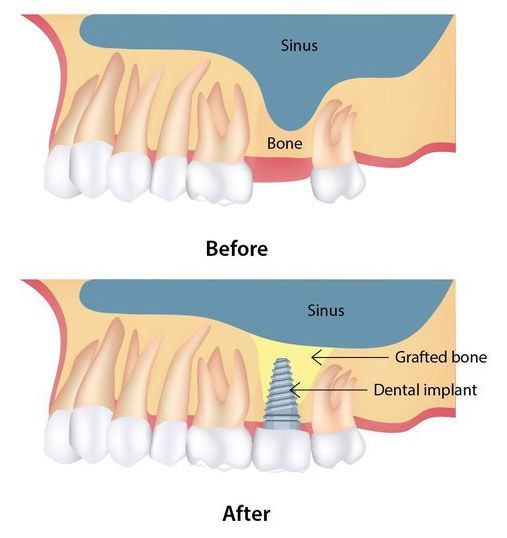
Bone regeneration surgery
In advanced cases, implant removal may be necessary, followed by bone healing and proper re-planning.
How to Reduce the Risk of Implant Rejection
Choose a clinic that uses 3D imaging (CBCT – Cone Beam Computed Tomography)
Follow all post-surgical instructions carefully
Avoid smoking
Maintain excellent oral hygiene
Attend regular check-ups every 6 months
Successful implant treatment depends not only on implant quality, but also on surgical precision and long-term maintenance.
Conclusion
True immune rejection of dental implants is extremely rare. However, osseointegration failure or peri-implant inflammation can lead to implant loss if not detected early.
Warning signs such as persistent pain, implant mobility, swelling, or bleeding should never be ignored.
The long-term success of dental implants depends on:
That is why many patients seek treatment at advanced dental centers in Turkey, such as ALL ON X, where comprehensive bone evaluation, digital planning, and precise surgical protocols significantly minimize the risk of failure.
In the end, early awareness is your first line of defense.
The sooner you recognize symptoms and respond appropriately, the better your chances of preserving your smile for many years to come.