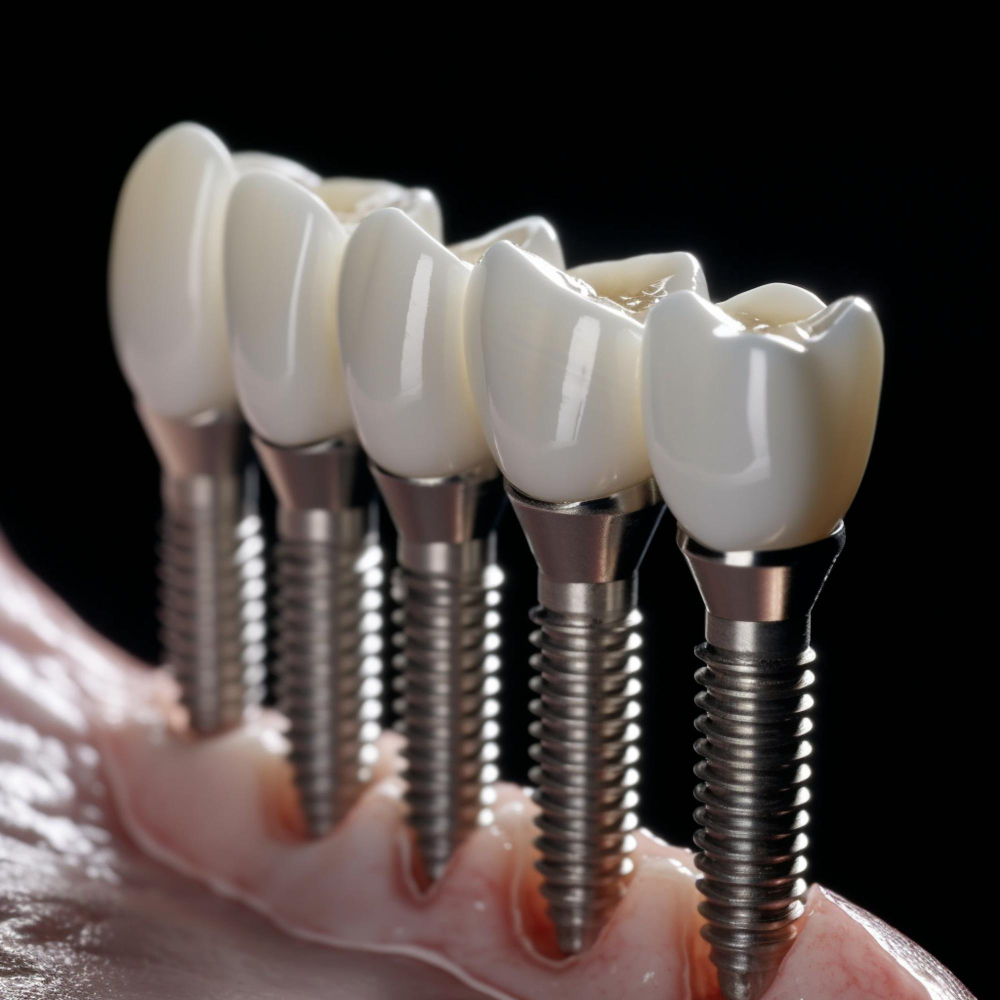
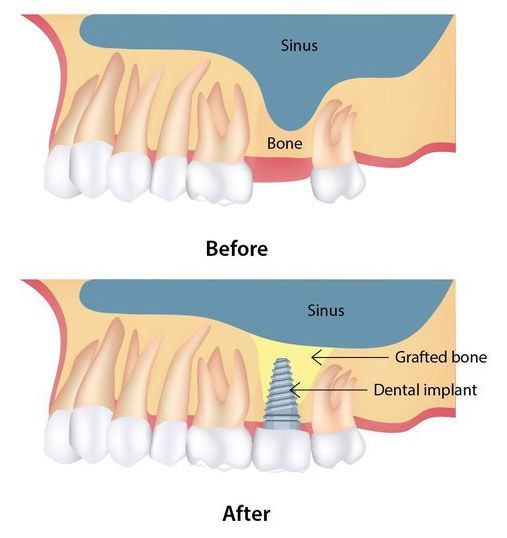
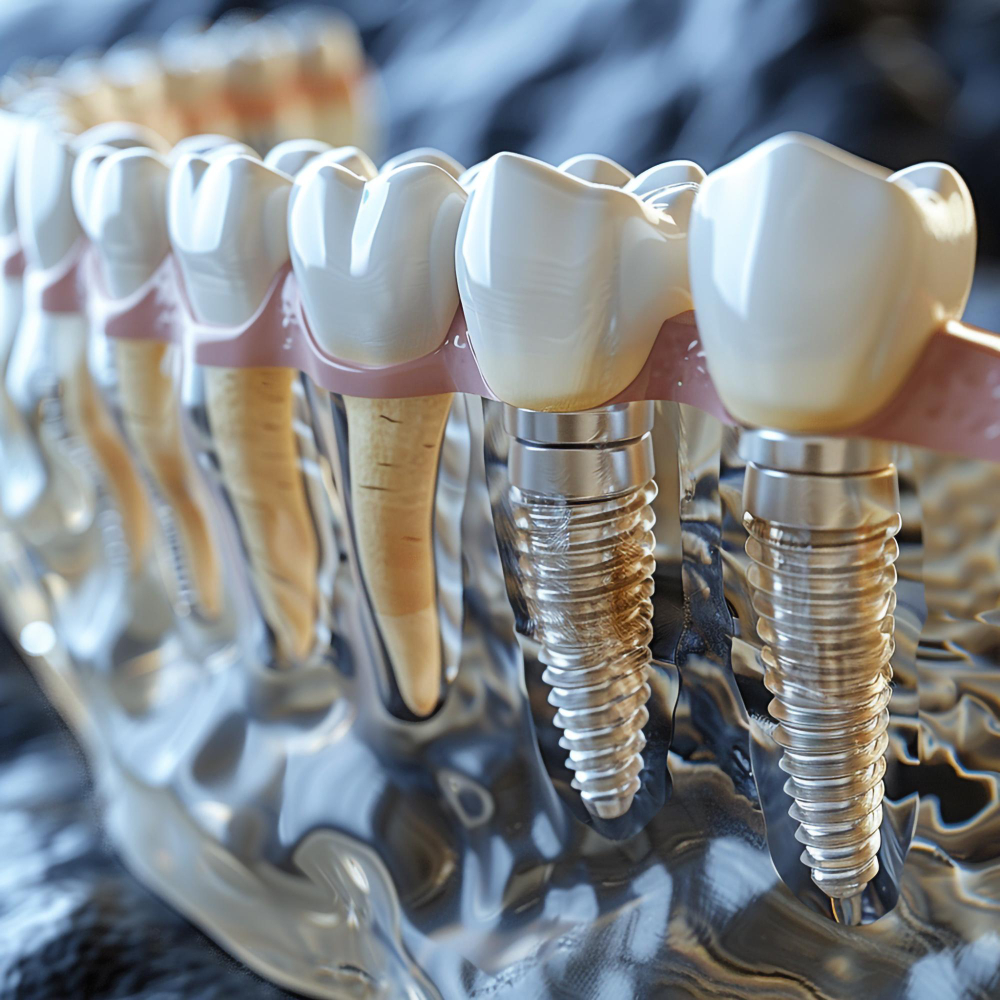
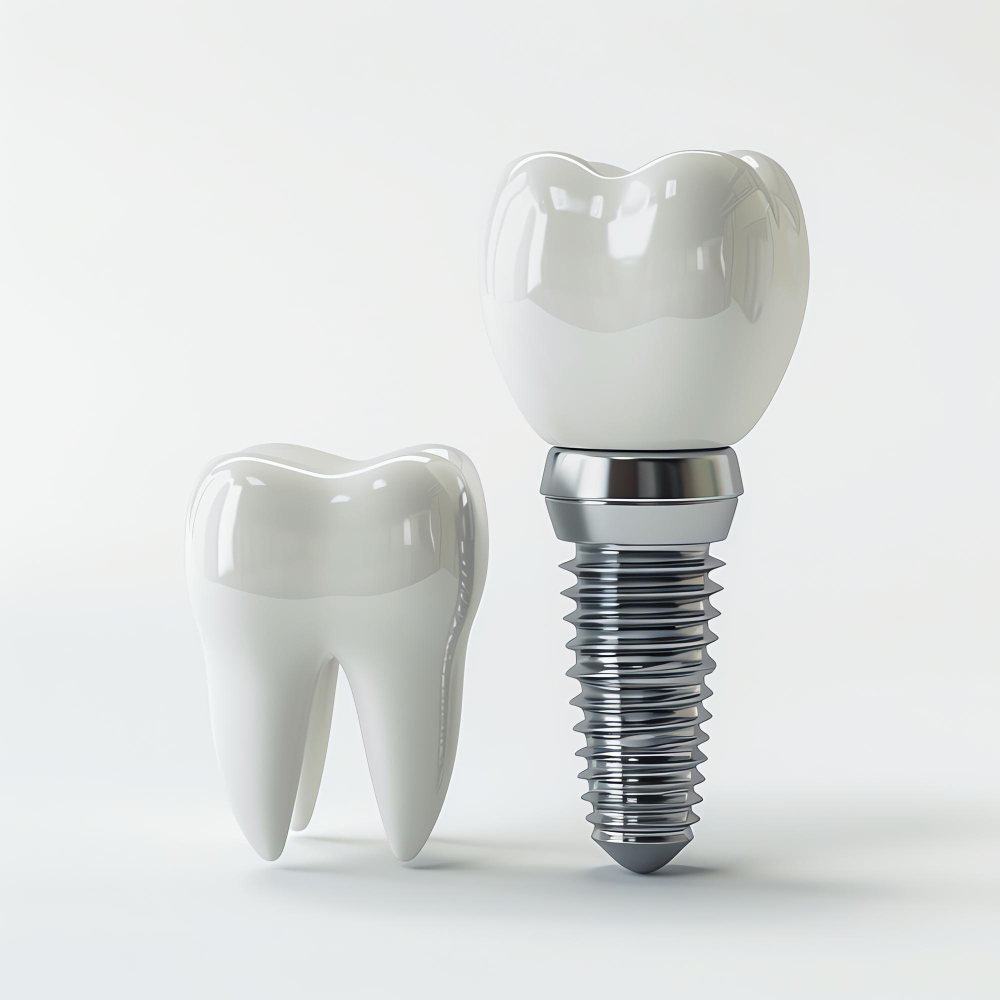
Dental implants are considered the gold standard for replacing missing teeth. However, many patients living with diabetes often ask the same critical question:
Can diabetic patients safely get dental implants?
The short answer is yes — in most cases, but the long answer requires a detailed medical explanation. This comprehensive guide will cover everything you need to know about dental implants for diabetic patients, including risks, success rates, precautions, and why choosing the right clinic—such asAll-on-X Clinic in Turkey—makes all the difference.
Understanding Diabetes and Oral Health
Diabetes mellitus is a chronic metabolic condition characterized by elevated blood glucose levels. Poorly controlled diabetes can negatively affect oral health in several ways:
Delayed wound healing
Increased risk of infections
Reduced bone regeneration
Higher prevalence of gum disease (periodontitis)
Since dental implants rely on osseointegration—the fusion of the implant with the jawbone—these factors must be carefully evaluated before treatment.
Is Diabetes a Contraindication for Dental Implants?
The Medical Consensus
Modern dentistry no longer considers diabetes an absolute contraindication for dental implants. Numerous clinical studies have confirmed that:
Well-controlled diabetic patients have implant success rates comparable to non-diabetic individuals
Uncontrolled diabetes, however, significantly increases the risk of implant failure
👉 Key factor: Blood sugar control, not the diagnosis itself.
Success Rate of Dental Implants in Diabetic Patients
Patient Condition
Implant Success Rate
Non-diabetic patients
95–98%
Controlled diabetes (HbA1c ≤ 7%)
90–95%
Poorly controlled diabetes
Significantly lower
With proper planning, modern technology, and strict protocols, success rates remain high.
Conditions Required Before Implant Placement
Before proceeding with dental implants, diabetic patients must meet certain criteria:
1. Stable Blood Sugar Levels
HbA1c ideally below 7%
Fasting glucose within acceptable medical limits
2. Healthy Gums
Active periodontal disease must be treated prior to implant surgery.
3. Adequate Bone Density
Advanced imaging (CBCT scans) is essential to assess bone quality.
Special Precautions for Diabetic Patients
Dentists experienced with diabetic cases will implement additional precautions:
Prophylactic antibiotics
Atraumatic surgical techniques
Extended healing periods if needed
Strict post-operative follow-up
Clinics that specialize in advanced implantology—such as All-on-X Clinic in Istanbul—apply evidence-based protocols designed specifically for medically compromised patients.
Best Implant Techniques for Diabetic Patients
✔ Guided Implant Surgery
Computer-guided surgery minimizes trauma and accelerates healing.
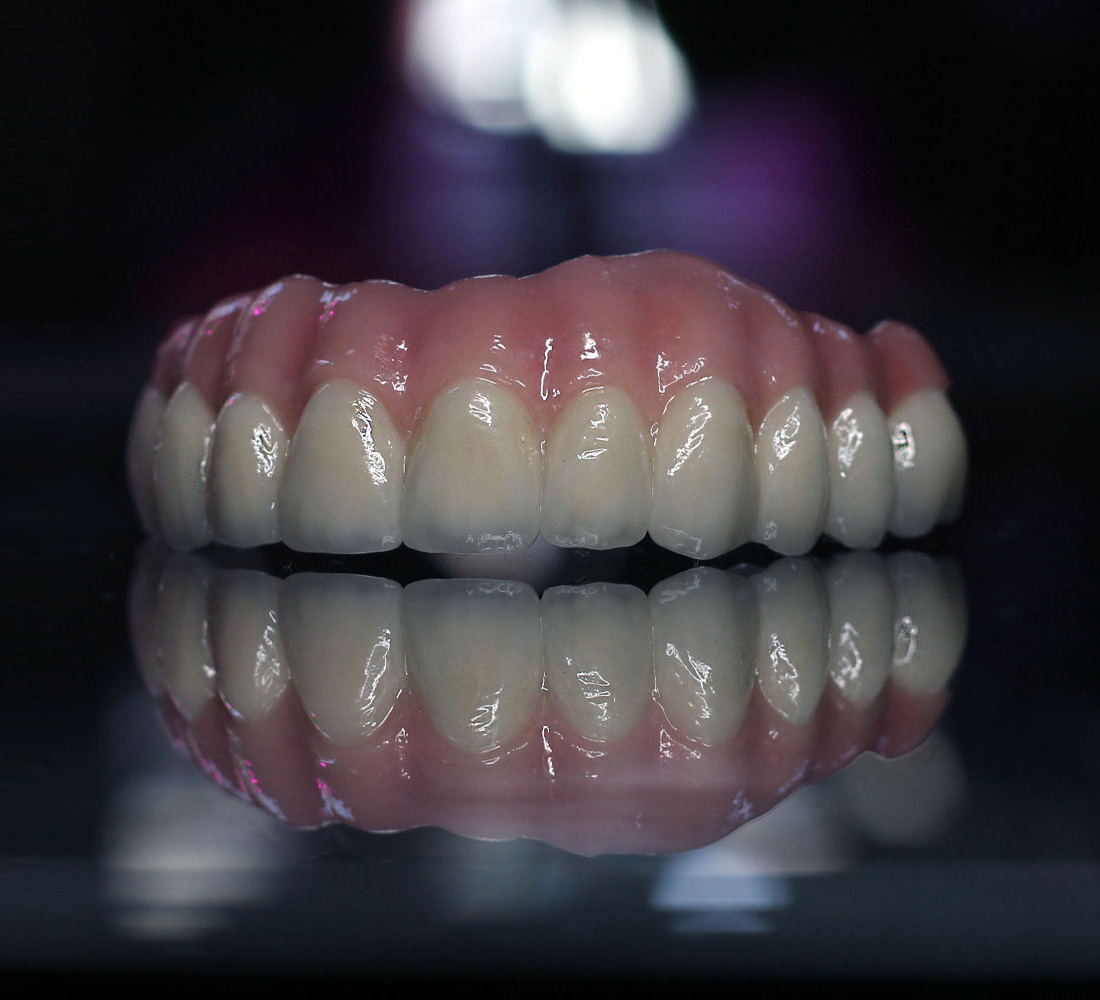
✔ All-on-4 / All-on-6 Concepts
Ideal for patients with multiple missing teeth, reducing the number of implants and surgical sessions.
✔ Immediate Loading (Selective Cases)
In carefully selected patients with controlled diabetes, immediate teeth placement may be possible.
Potential Risks and How to Minimize Them
Possible Complications:
Delayed osseointegration
Post-surgical infections
Peri-implantitis
Risk Reduction Strategies:
Excellent oral hygiene
Regular professional cleanings
Long-term maintenance programs
Choosing a highly specialized clinic
Why Choosing the Right Clinic Is Critical
Not all dental clinics are equipped to manage complex medical cases. The experience of the surgical team, technology used, and adherence to international protocols are decisive factors.
Why All-on-X Clinic Is a Preferred Choice in Turkey
All-on-X Clinic in Istanbul is widely recognized for handling advanced and high-risk implant cases due to:
Specialized surgeons trained in complex implantology
Digital treatment planning and CBCT-guided surgery
Experience with diabetic and medically compromised patients
High-quality German and Swiss implant systems
Multilingual medical coordination for international patients
This level of expertise significantly improves outcomes for diabetic patients seeking dental implants in Turkey.
Post-Implant Care for Diabetic Patients
Long-term success depends heavily on aftercare:
Maintain strict blood sugar control
Brush twice daily and floss regularly
Use antimicrobial mouth rinses if recommended
Attend follow-up visits every 3–6 months
Dental implants are not a “one-time procedure” but a long-term partnership between patient and clinic.
Frequently Asked Questions (FAQ)
Can type 1 diabetics get dental implants?
Yes, provided blood glucose levels are well controlled.
Is healing slower for diabetics?
Healing may be slightly slower, but modern protocols compensate effectively.
Are dental implants painful for diabetic patients?
Pain levels are similar to non-diabetic patients when procedures are properly planned.
Final Verdict: Are Dental Implants Safe for Diabetic Patients?
Yes — dental implants are safe and highly successful for diabetic patients when:
Blood sugar is well controlled
Advanced diagnostic tools are used
Surgery is performed by experienced specialists
Post-operative care is strictly followed
With the right medical approach and the right clinic, diabetes does not have to stand in the way of restoring your smile.