Introduction
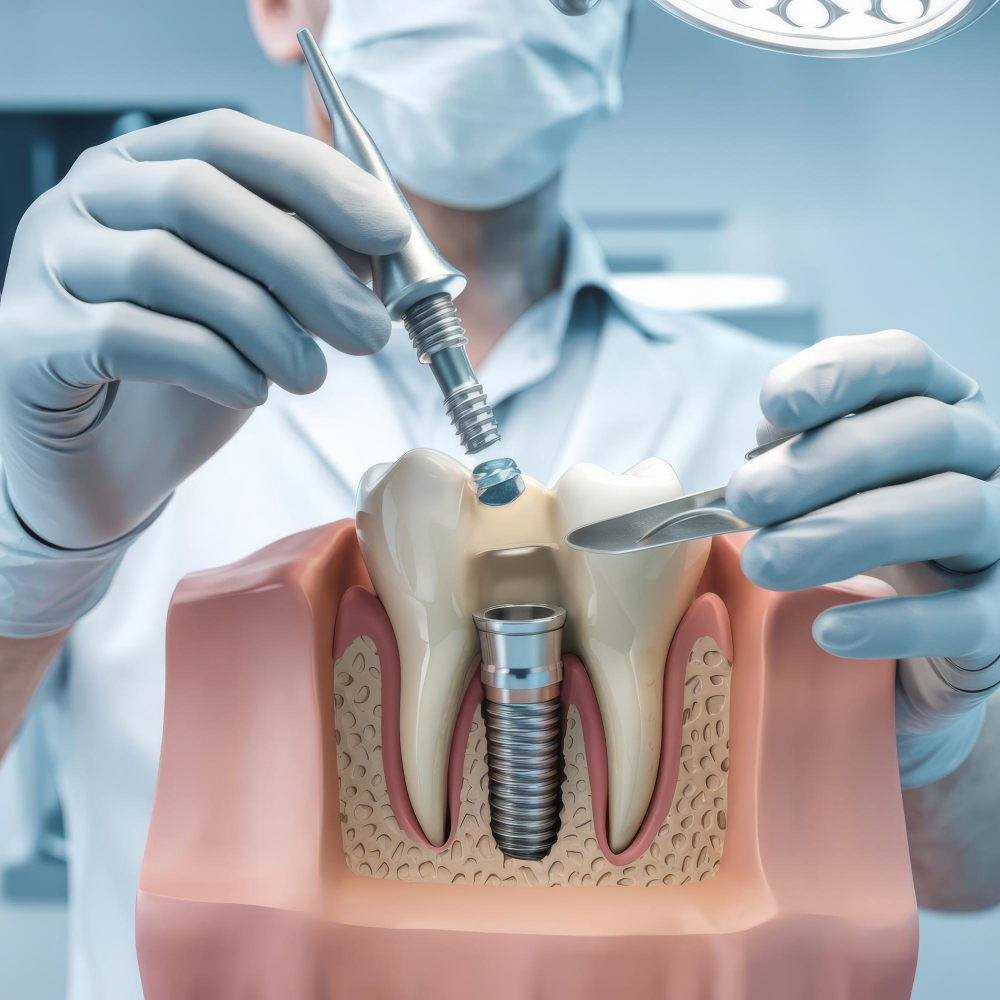
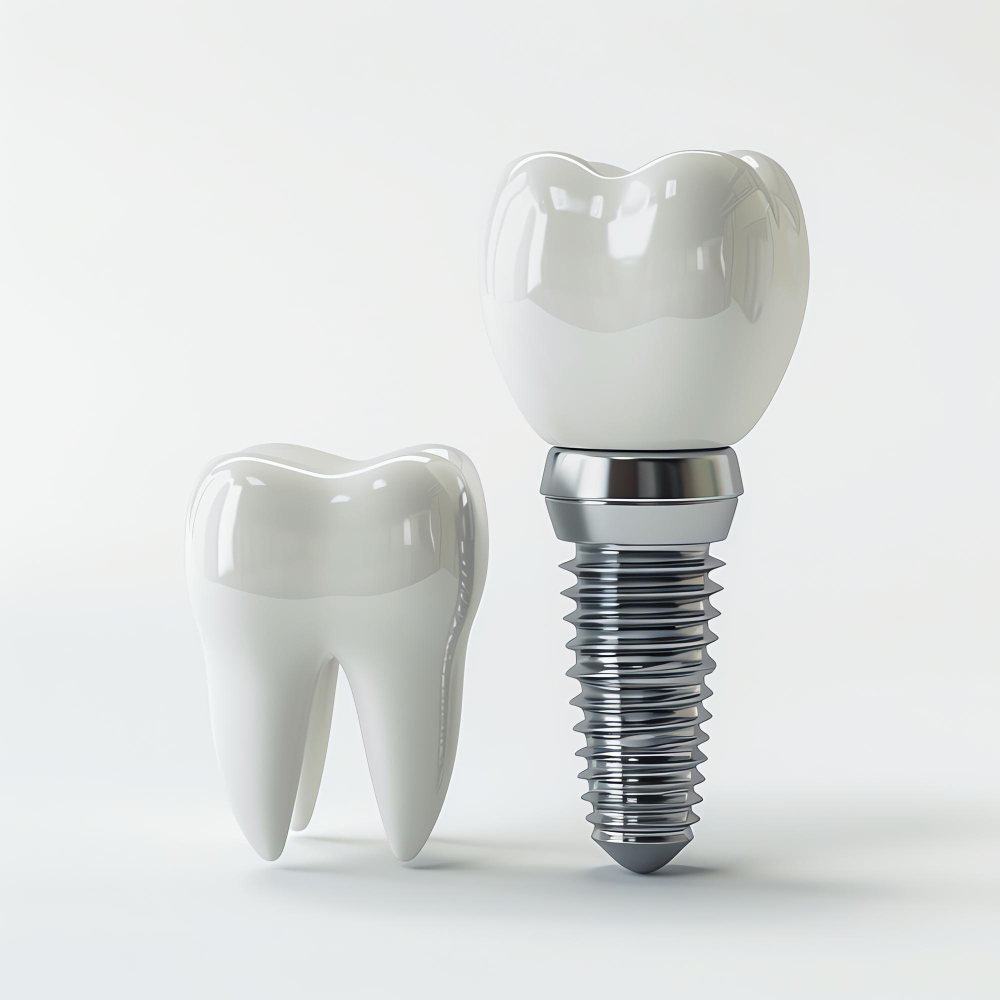
Dental implantation is a modern and reliable solution for restoring missing teeth. However, the available bone volume is not always sufficient for stable implant placement. In such cases, bone grafting is performed — a procedure that increases bone volume before placing a dental implant .
In this article, you will learn:
When bone grafting is truly necessary
What types of bone regeneration are used
Whether the procedure can be avoided
How the recovery process works
Why patients choose treatment in Istanbul
Why Can Bone Be Insufficient?
After tooth extraction, the jawbone gradually begins to resorb. Significant bone loss can occur within just 3–6 months.
Main causes include:
If the bone width or height is insufficient, the implant cannot achieve proper stability.
When Is Bone Grafting Required?
1️⃣ Insufficient Bone Width
If the alveolar ridge is too narrow, implant placement is impossible without ridge augmentation.
2️⃣ Insufficient Bone Height in the Upper Jaw
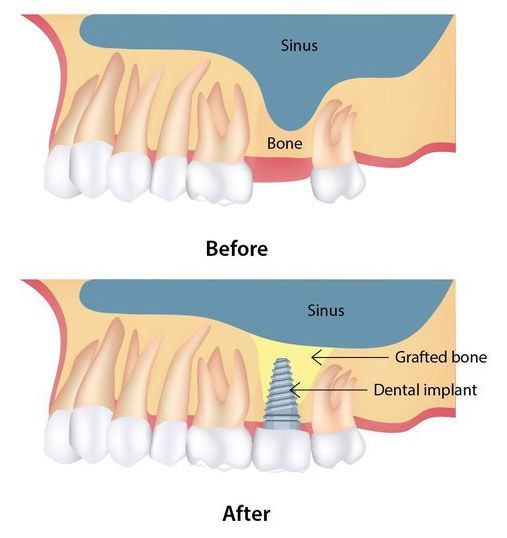
In the upper molar region, a sinus lift is often required due to the proximity of the maxillary sinus.
3️⃣ Severe Bone Atrophy After Tooth Loss
Long-standing tooth loss leads to significant bone resorption.
4️⃣ Preparation for All-on-4 or All-on-6 Protocol
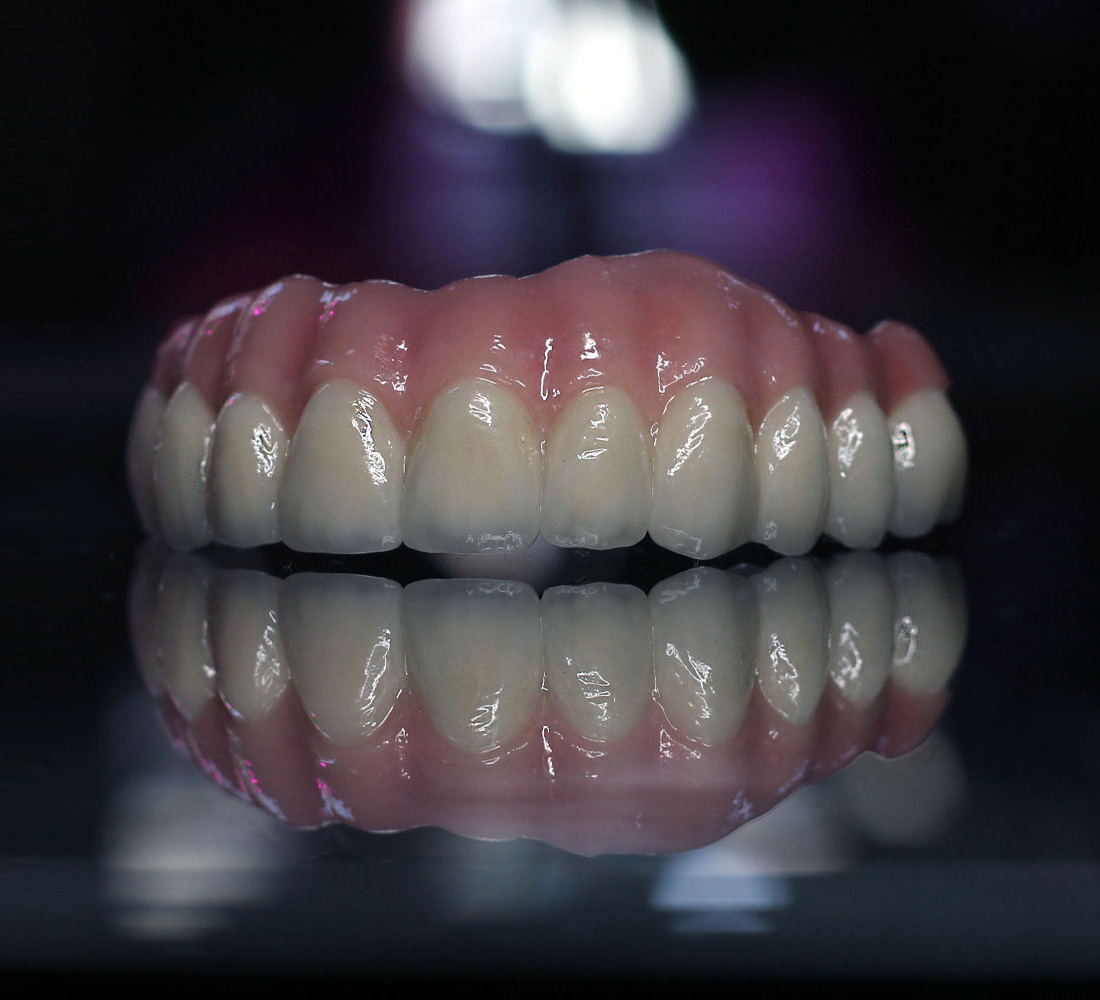
Even in full arch rehabilitation (Full Arch Restoration), localized bone correction may sometimes be necessary.
Types of Bone Grafting Procedures
Autogenous Bone Graft
Uses the patient’s own bone.
Xenograft
A biocompatible material of animal origin.
Alloplastic Materials
Synthetic bone substitutes.
Guided Bone Regeneration (GBR)
Use of membranes to stimulate bone growth.
Sinus Lift
Elevation of the sinus floor before implant placement.
Can the Implant Be Placed Immediately?
In some cases, immediate implant placement combined with simultaneous bone grafting is possible. The decision is made after 3D diagnostics using CBCT (Cone Beam Computed Tomography).
How Safe Is the Procedure?
Modern digital technologies such as:
3D scanning
Digital implant planning
Guided surgery
make the procedure highly predictable and safe.
Why Do Patients Choose Turkey and Istanbul?
Istanbul has become a global center for dental tourism thanks to:
Among leading clinics, ALL ON X stands out as one of the best dental clinics in Turkey (Istanbul), specializing in complex implant cases and severe bone atrophy. The clinic applies digital diagnostics, All-on-4 / All-on-6 protocols, and advanced bone regeneration techniques.
Frequently Asked Questions (FAQ)
❓ Is bone grafting painful?
The procedure is performed under local anesthesia or sedation. Pain is minimal.
❓ How long does healing take?
Between 3 to 6 months depending on the extent of the procedure.
❓ Does bone grafting increase the risk of implant failure?
No. With proper planning, success rates reach 95–98%.
❓ Can bone grafting be avoided?
In some cases, angled implants or alternative protocols may eliminate the need for grafting.
Conclusion
Bone grafting is not a complication but an essential preparatory step that ensures long-term implant stability. Thanks to modern technologies, the procedure has become safe and predictable.
If you have been diagnosed with insufficient bone volume, do not give up on dental implants. In experienced hands — such as the specialists at ALL ON X Clinic in Istanbul — even complex cases are successfully treated with high success rates.