



Treatments & Services
Treatment of Temporomandibular Joint (TMJ) Disorders in Turkey
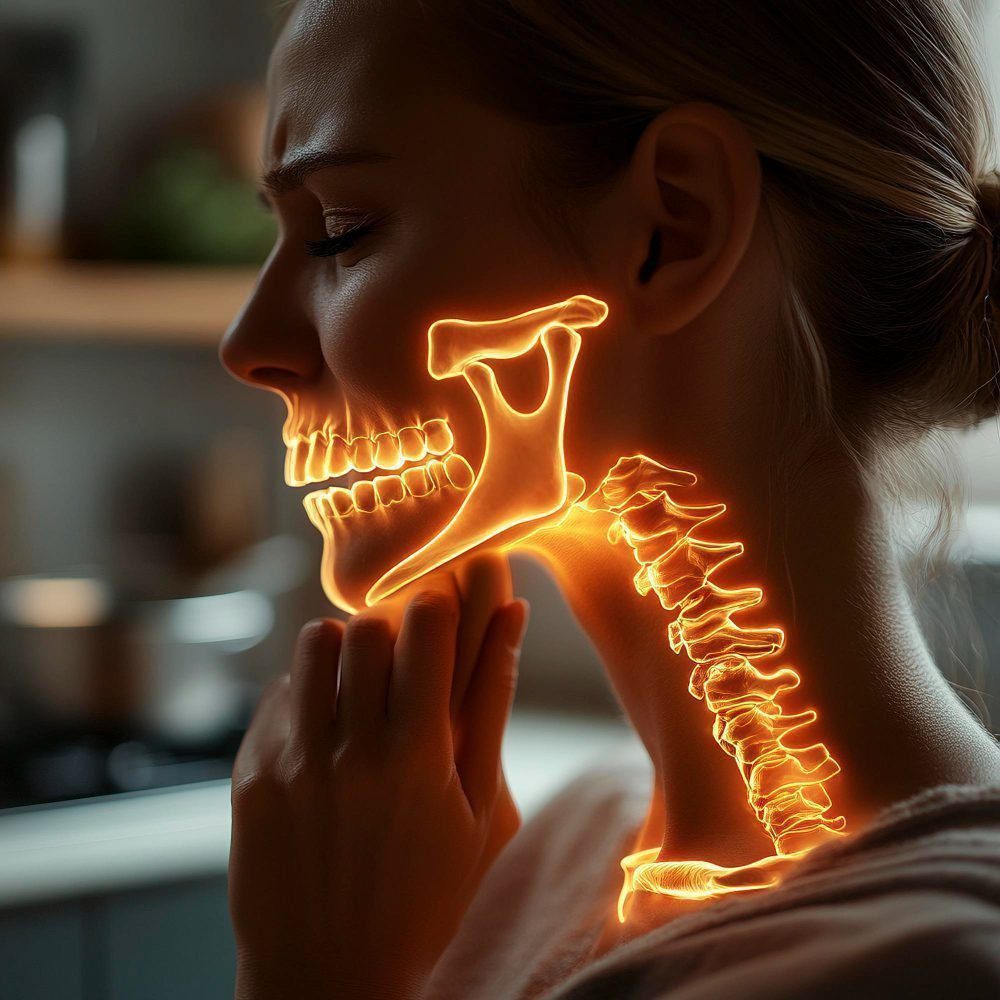
Treatment of Temporomandibular Joint (TMJ) Disorders in Turkey
Jaw pain, clicking, muscle tightness, headaches, or difficulty opening your mouth can be signs of temporomandibular joint (TMJ) disorders, also called TMD. At All on X Clinic in Istanbul, Turkey, we focus on accurate diagnosis and conservative, step-by-step care—starting with bite evaluation and functional planning for long-term comfort.
Common reasons patients book
- Jaw pain or facial muscle soreness
- Clicking, popping, or grinding noises
- Limited opening or jaw locking episodes
- Headaches linked to clenching/grinding
- Bite feels “off” or unstable
- Tooth wear or missing teeth affecting bite balance
Urgent warning: If you have sudden inability to open your mouth, jaw dislocation, major trauma, fever, progressive swelling, numbness, or severe worsening pain, seek urgent medical/dental care immediately.
What Are TMJ Disorders (TMD)?
The TMJ connects your jaw to your skull and works with surrounding muscles to support chewing, speaking, and opening/closing movements. TMJ disorders refer to problems involving the joint, the disc within the joint, and/or the muscles around it.
TMJ symptoms often have multiple contributing factors—so one-size-fits-all treatments rarely work. A structured diagnosis is essential.
Common Symptoms
- Jaw pain or tenderness
- Facial muscle fatigue, especially in the morning
- Clicking or popping sounds
- Locking or limited opening
- Headaches (temple/forehead) related to clenching
- Ear pressure or discomfort (without infection)
- Bite changes or “uneven” contact
Common Contributing Factors
- Clenching and grinding (bruxism)
- Stress-related muscle overuse
- Missing teeth or unstable occlusion
- Severe tooth wear and bite collapse
- Poorly fitting restorations affecting bite
- Joint inflammation or disc-related changes
Diagnosis at All on X Clinic (Digital-First Evaluation)
Accurate diagnosis guides effective treatment. Your TMJ evaluation may include:
- Clinical exam: jaw movement, joint sounds, muscle tenderness, range of motion
- Bite analysis (occlusion): contact points, overload patterns, instability
- Digital impressions / 3D scans: documenting bite relationships and tooth wear
- Imaging when needed: assessing jaw structures and surrounding anatomy
The goal is to identify whether symptoms are primarily muscular, joint-related, or bite-related—or a combination.
Conservative TMJ Treatment (First-Line Approach)
Many TMJ disorders respond well to conservative management. Depending on your diagnosis, treatment may include:
- Occlusal splint / night guard to reduce clenching overload
- Bite stabilization to reduce uneven forces
- Jaw muscle relaxation guidance and habit awareness
- Targeted follow-ups to adjust treatment based on symptoms
- Supportive recommendations that reduce flare-ups
When Functional Dentistry Helps Long-Term Relief
If TMJ symptoms are strongly linked to bite problems—such as missing teeth, severe wear, or unstable occlusion—restoring function may help. Possible dentistry-based solutions include:
- Replacing missing teeth (implants, bridges, or dentures)
- Restorations for worn teeth (crowns/bridges) to rebuild occlusion
- Full mouth rehabilitation in complex bite collapse cases
- Careful occlusion planning to avoid worsening symptoms
Any extensive dental work should be planned carefully with TMJ considerations in mind.
What a TMJ Treatment Plan Typically Looks Like
Treatment should be personalized. Many plans follow this structured pathway:
- Assessment: symptoms, bite, muscle/joint exam, imaging when needed
- Conservative phase: splint therapy and functional guidance
- Monitoring: symptom tracking with adjustments
- Address contributors: missing teeth, severe wear, unstable bite (if present)
- Long-term maintenance: prevention strategies and follow-up
Why Choose All on X Clinic in Istanbul, Turkey?
If you are searching for Treatment of Temporomandibular Joint (TMJ) Disorders in Turkey, All on X Clinic offers a diagnosis-first approach, conservative therapy, and functional bite planning—especially when dental factors are contributing to symptoms.
- Digital documentation of wear and bite patterns
- Splint therapy and follow-up adjustments
- Experience with complex occlusion and rehabilitation planning
- Clear step-by-step approach with realistic expectations
- International patient support in Istanbul
Frequently Asked Questions
Can TMJ disorders be caused by stress?
Stress can increase clenching and muscle tension, which may contribute to symptoms. Many cases involve multiple factors, including bite imbalance and tooth wear.
Does clicking always require treatment?
Not always. Clicking without pain or limitation may not require intervention. Clicking with pain, locking, or reduced opening should be evaluated.
How long does it take to feel improvement?
Timelines vary. Some patients feel relief relatively quickly with conservative therapy, while others need longer-term management and addressing contributing factors.
Can extensive dental work help TMJ problems?
In selected cases—when TMJ symptoms are linked to bite collapse, missing teeth, or severe wear—functional restorative planning can help. Proper diagnosis is essential to avoid worsening symptoms.
Book Your TMJ Evaluation in Turkey
Jaw pain and clicking can be frustrating—but the right diagnosis changes everything. Contact All on X Clinic Istanbul on WhatsApp to request an evaluation and a personalized TMJ disorders treatment plan.