



Treatments & Services
TMJ Disorder Treatment in Turkey
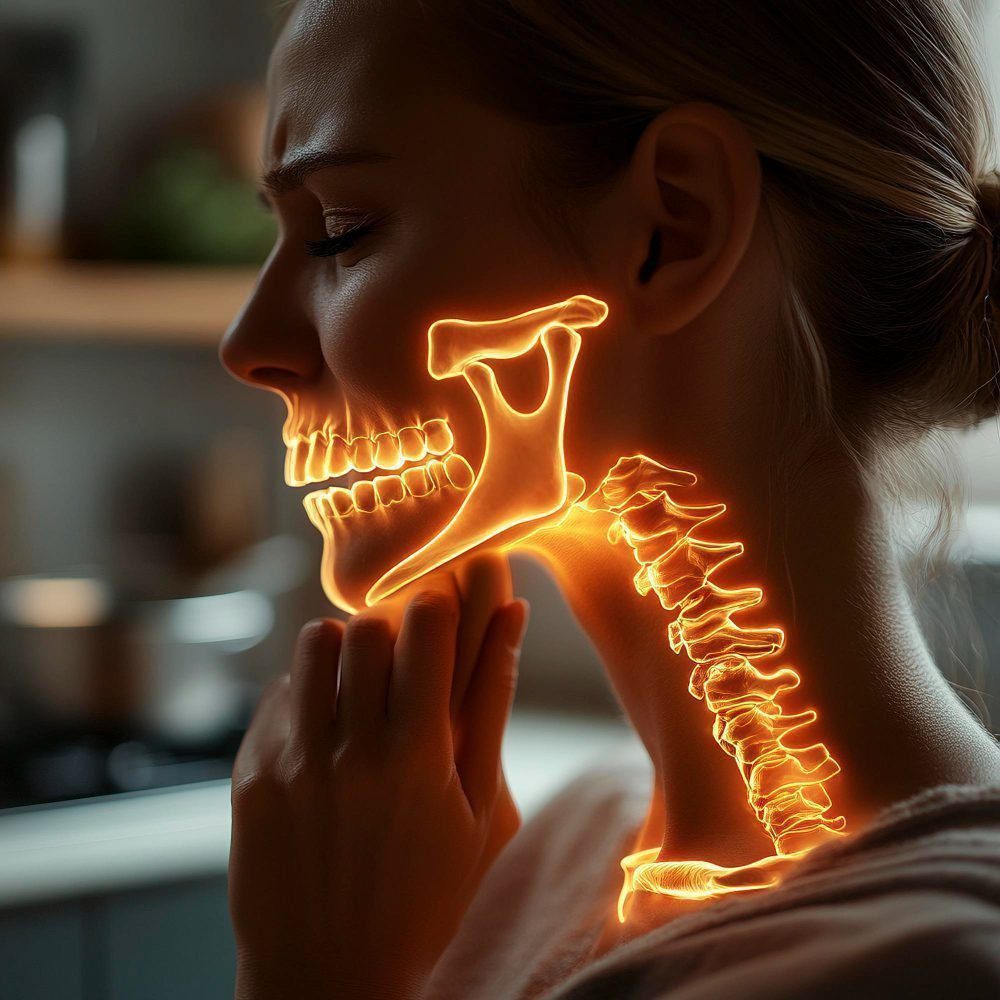
TMJ Disorder Treatment in Turkey
Jaw pain, clicking, tight muscles, or headaches can be signs of TMJ disorder (TMD). At All on X Clinic in Istanbul, Turkey, we focus on careful diagnosis and conservative, evidence-informed care—starting with bite evaluation, joint/muscle assessment, and a personalized plan aimed at long-term comfort and function.
Best for
- Jaw pain or muscle tightness
- Clicking or popping sounds in the jaw
- Limited mouth opening / locking episodes
- Headaches linked to clenching or grinding
- Bite changes from missing or worn teeth
Important: Severe swelling, sudden inability to open your mouth, jaw dislocation, trauma, fever, or progressive numbness should be evaluated urgently. TMJ symptoms can overlap with other conditions, so proper clinical assessment matters.
What is TMJ Disorder?
The temporomandibular joint (TMJ) connects your jaw to your skull. TMJ disorder (also called TMD) refers to issues involving the joint itself and/or the muscles that control jaw movement. Symptoms may range from mild clicking to significant pain, tension, and functional limitation.
TMJ problems can be influenced by bite imbalance, missing teeth, tooth wear, stress-related clenching, posture, and sometimes internal joint changes.
Common TMJ Symptoms
- Jaw pain or facial muscle soreness
- Clicking, popping, or grinding sounds
- Limited opening or jaw locking
- Headaches, temple tightness, neck discomfort
- Ear discomfort or pressure (without infection)
- Bite feels “off” or changes over time
Common Contributing Factors
- Clenching and grinding (bruxism)
- Missing teeth or unstable bite
- Severe tooth wear / bite collapse
- Stress and muscle overuse
- Poorly fitting restorations
- Joint inflammation or disc-related issues
Diagnosis at All on X Clinic (Digital-First Approach)
Effective TMJ care starts with understanding the cause. A TMJ assessment may include:
- Clinical exam: jaw range of motion, muscle tenderness, joint sounds
- Bite analysis (occlusion): contact points, overload, imbalance
- Digital scans: to document bite relationships and tooth wear
- Imaging when needed: to evaluate jaw structures and surrounding anatomy
Not every TMJ case needs complex imaging or invasive treatment. Many respond well to conservative therapy.
Conservative TMJ Treatment Options
Many TMJ disorders improve with conservative, step-by-step management:
- Occlusal splints / night guards to reduce clenching overload
- Bite stabilization when imbalance is contributing
- Jaw relaxation strategies and habit awareness
- Targeted guidance for muscle comfort and movement
- Monitoring and adjustments based on symptoms
When Dentistry Supports TMJ Recovery
If TMJ symptoms are linked to missing teeth, severe wear, or unstable bite, restoring function may help long-term relief. Depending on your case, this can involve:
- Replacing missing teeth (implants, bridges, or dentures)
- Correcting bite height (vertical dimension) in worn dentition
- Rehabilitative restorations (crowns/bridges) to stabilize occlusion
- Full mouth rehabilitation in complex bite collapse cases
TMJ-focused restorative work should be planned carefully. Diagnosis comes first.
Why Choose All on X Clinic in Istanbul, Turkey?
If you are searching for TMJ Disorder Treatment in Turkey, All on X Clinic offers a structured approach that prioritizes diagnosis, conservative care, and functional bite stability—especially for patients with complex dental factors.
- Digital documentation of bite and wear patterns
- Splint therapy and functional planning options
- Experience with rehabilitation cases affecting occlusion
- International patient support in Istanbul
- Clear step-by-step plans with realistic expectations
Frequently Asked Questions
Can TMJ disorder go away on its own?
Some mild cases improve with rest and habit changes. Persistent pain, locking, or significant bite changes should be evaluated to rule out underlying problems and guide proper care.
Are night guards effective for TMJ pain?
They can be helpful for many patients—especially when clenching or grinding is contributing. The correct design and proper adjustment are important for comfort and effectiveness.
Does clicking always mean I have TMJ disorder?
Not always. Some people have painless clicking without functional problems. When clicking is accompanied by pain, locking, or limited movement, a clinical assessment is recommended.
Can missing teeth cause TMJ symptoms?
Missing teeth can contribute to bite imbalance and muscle overload in some cases. Restoring function and stable occlusion may help reduce long-term stress on the jaw system.
Book Your TMJ Assessment in Turkey
If jaw pain or clicking is affecting your daily life, a structured diagnosis is the best first step. Contact All on X Clinic Istanbul on WhatsApp to request an evaluation and a personalized TMJ treatment plan.